Escott Orthodontics Explains: The Link Between Orthodontics and Clear Communication

Learn how orthodontic treatment supports clearer speech in both social and professional life.
Table of Contents
Introduction
Meet Our Doctors
How Orthodontics and Speech Are Connected
Common Speech Challenges Caused by Tooth and Jaw Misalignment
How Braces Improve Speech Clarity
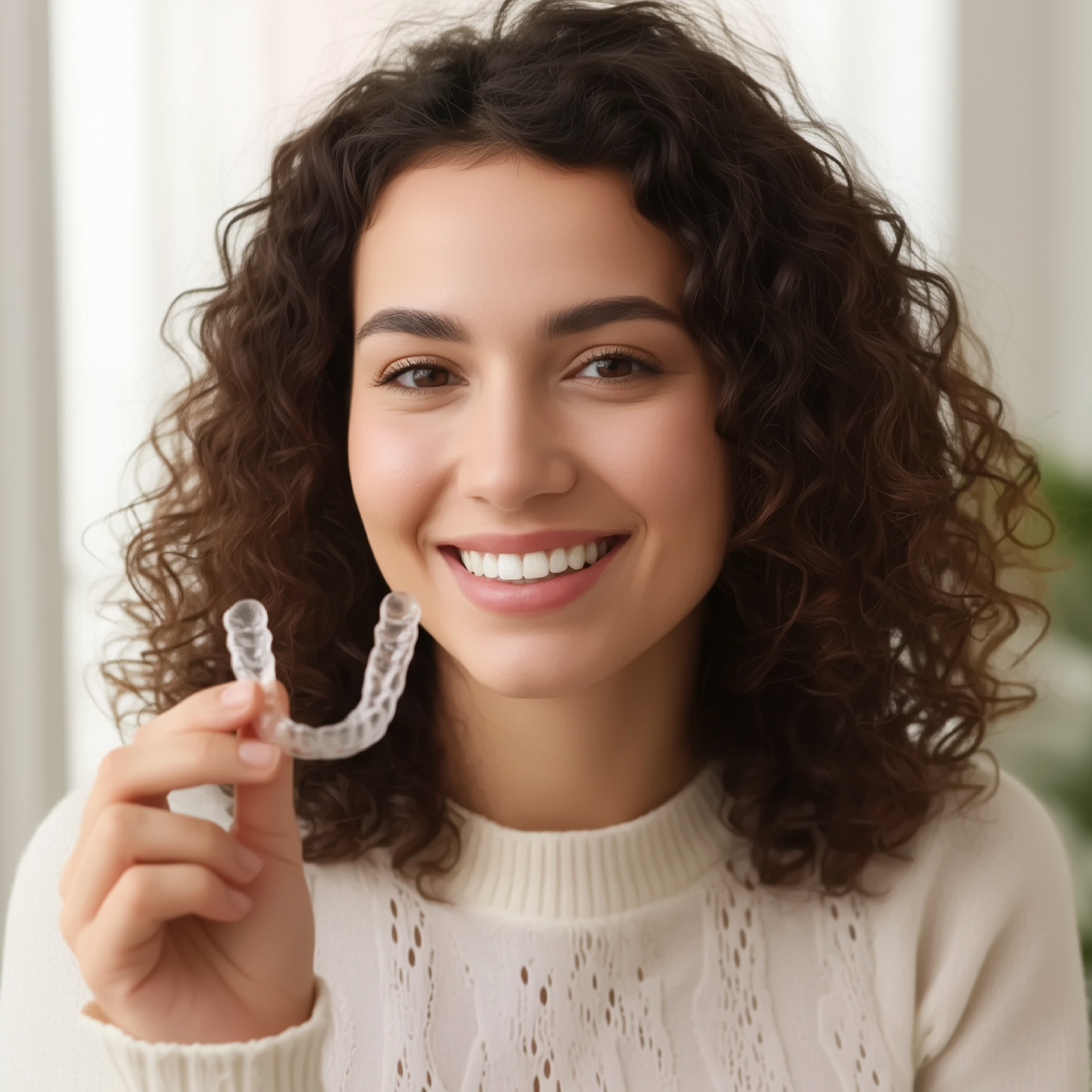
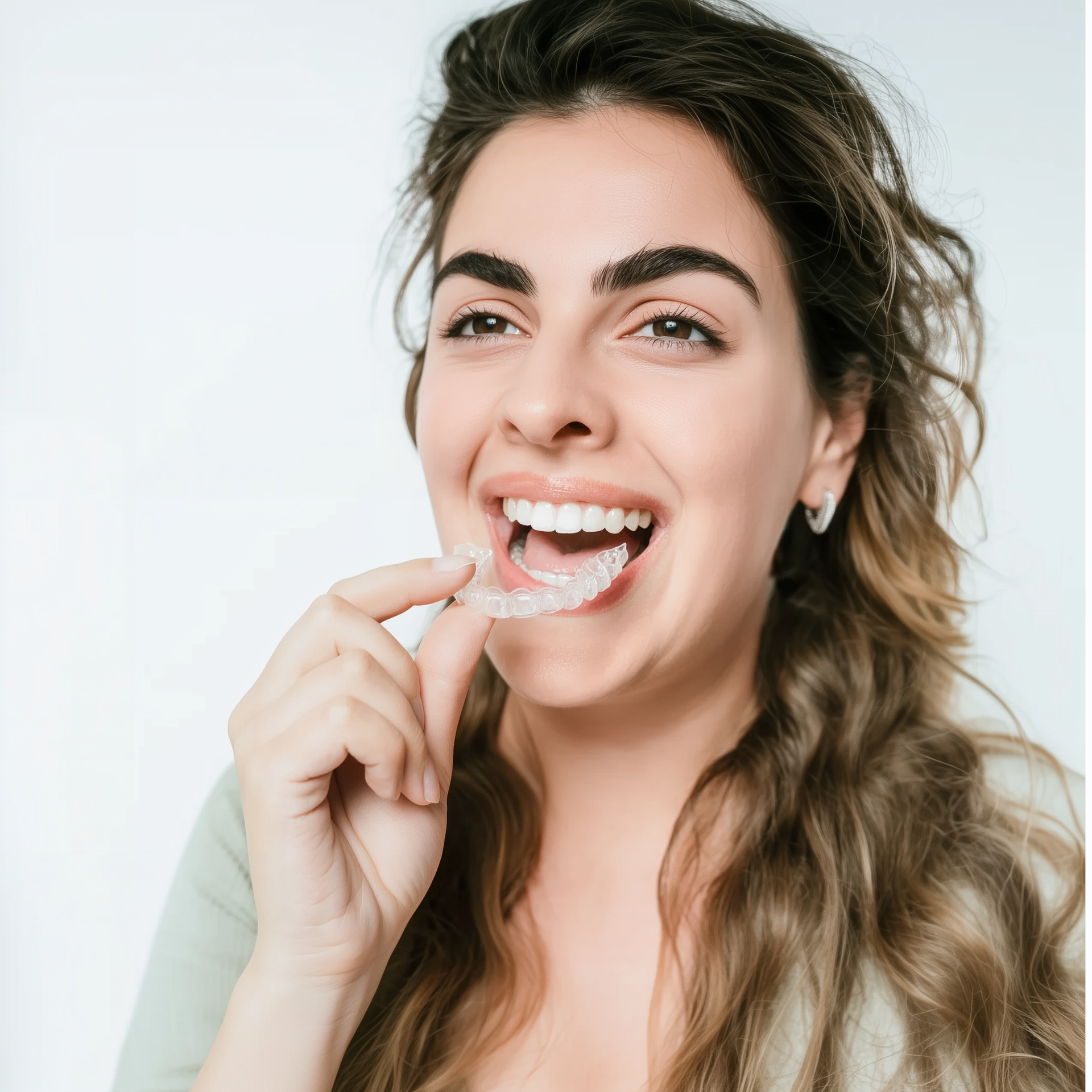
How Invisalign and Clear Aligners Support Healthy Speech Patterns
When Speech Therapy and Orthodontics Work Together
Daily Habits That Improve Speech While in Treatment
How Orthodontics Boosts Social and Professional Confidence
Helping Children Develop Clearer Speech
Why Choose Escott Orthodontics
Conclusion
Frequently Asked Questions
Introduction
Clear communication is one of the most powerful tools we have. Whether you are speaking in a classroom, leading a meeting, talking with friends, or reading bedtime stories to your children, the way you speak shapes how you connect with others. At
Escott Orthodontics, orthodontic treatment is about more than just transforming your smile. It also plays a meaningful role in improving speech clarity, articulation, and everyday communication.
Serving families from
Lake County, College Park, and Baldwin Park, our team is led by
Dr. Christopher Escott and
Dr. Hunter Davis, who understand how closely oral health and communication skills are linked. Many patients are surprised to learn that tooth position, bite alignment, and jaw function influence how easily you form sounds. When teeth are aligned and the bite works properly, speech becomes more natural, more precise, and more comfortable.
In this blog, we explore how orthodontic treatment supports clearer communication, both socially and professionally, and how braces or aligners can help you speak with more confidence and ease.
Meet Our Doctors
Dr. Christopher Escott and Dr. Hunter Davis
At Escott Orthodontics, you will find a team committed to improving lives through healthy function, artistic design, and beautifully aligned smiles.
Dr. Escott brings extensive experience and a passion for the science behind orthodontic movement, helping patients understand how structure influences speech and bite performance.
Dr. Davis combines advanced digital orthodontics with a caring approach that supports patients of all ages throughout their treatment journey.
Together, they form a team that prioritizes overall oral function rather than aesthetics. Their expertise helps patients who struggle with speech clarity, tongue placement, or bite-related challenges experience real improvements in both communication and confidence.
How Orthodontics and Speech Are Connected
The way we speak depends heavily on the structure of the mouth. Teeth, tongue, lips, cheeks, and jaw all work together to form sounds. When teeth are crowded, spaced, or positioned incorrectly, certain sounds become more difficult to produce. Here are the key elements that link orthodontics to communication.
Tongue Placement
Certain speech sounds require the tongue to make contact with the upper teeth. Misalignment can interrupt this contact.
Airflow Control
Gaps or bite issues can affect how air moves through the mouth, influencing clarity.
Lip Support
Your front teeth help support your lips as they form sounds and words.
Jaw Position
The jaw guides the opening and closing of the mouth, shaping vowels and consonants.
Tooth Position
Misaligned teeth may cause whistling, lisping, or unclear articulation.
Orthodontics helps restore balance to these systems, making speech easier and more natural.
Common Speech Challenges Caused by Tooth and Jaw Misalignment
Speech problems can appear differently based on the type of misalignment. Some of the most common sound and articulation issues include:
Lisping
Often caused by spacing between the front teeth or an open bite, making "s" and "z" sounds challenging.
Whistling Sounds
Small gaps or misaligned front teeth can allow air to escape through the wrong spaces.
Difficulty with "R" or "L" Sounds
The tongue may struggle to reach the proper position.
Muffled Speech
Crowding or misalignment can reduce the tongue's mobility, creating unclear speech.
Strain During Speaking
If the jaw is misaligned, speaking may feel tiring or uncomfortable.
Nasal Sounding Speech
Bite issues can affect airflow and, in turn, resonance.
Correcting these structural challenges often leads to dramatic improvements in clarity.
How Braces Improve Speech Clarity
Braces do more than straighten teeth. They help reposition the bite and align the upper and lower jaws, creating a more supportive environment for speech.
Correcting Spacing Issues
Closing gaps helps eliminate air leaks that cause whistling.
Resolving Overbites or Underbites
Correcting bite relationships improves jaw movements needed for clear articulation.
Aligning the Front Teeth
Balanced front teeth provide proper support for the formation of sounds.
Improving Tongue Placement
A corrected bite ensures the tongue is guided to its ideal position.
Reducing Oral Strain
A balanced bite makes speaking feel more natural and less tiring.
Patients often report that speaking becomes easier within the first few months of braces, long before treatment is finished.
How Invisalign and Clear Aligners Support Healthy Speech Patterns
Clear aligners like Invisalign offer their own benefits for communication. While some patients experience slight changes in speech during the first few days, aligners are extremely speech-friendly in the long term.
Slim, Smooth Material
Aligners are designed to sit close to the teeth without interfering with tongue movement.
Gradual Changes
Each set of trays gently shifts the teeth, helping speech adapt naturally.
Improved Alignment
As teeth move into ideal positions, articulation becomes clearer.
Help with Tongue Thrust Habits
Aligners can give gentle reminders that guide the tongue into healthier positions during speech.
Support for Professional Communication
Because aligners are nearly invisible, patients feel more confident while speaking at work, school, or special events.
Aligners support both long-term speech improvement and everyday confidence.
When Speech Therapy and Orthodontics Work Together
For some patients, orthodontic treatment and speech therapy complement each other beautifully. When structure and training work together, the results can be life-changing.
Orthodontics Addresses Structure
Corrects the bite, spacing, and tooth alignment that may cause speech challenges.
Speech Therapy Builds Skills
Enhances articulation, sound production, and tongue control.
Tongue Thrust Support
Some patients benefit from both orthodontic correction and speech therapy.
Faster, More Lasting Results
When alignment issues are corrected, speech practice becomes more effective.
Confidence Growth
Patients feel improvement not just physically but also emotionally.
Parents especially appreciate this combined approach for children who struggle with clarity or articulation.
Daily Habits That Improve Speech While in Treatment
Speech can improve faster when paired with simple daily habits.
Read Aloud for a Few Minutes Each Day
This helps coordinate tongue and tooth positions as they shift.
Practice Challenging Sounds
"S," "L," "R," "Z," and "T" improve with repetition.
Speak Slowly If You Experience Soreness
This prevents strain on sensitive teeth.
Drink Plenty of Water
Hydration supports saliva flow and oral comfort.
Avoid Thumb Sucking or Nail Biting
These habits can interrupt progress.
Use Orthodontic Wax as Needed
Wax helps reduce irritation that may affect speech.
Small habits help speech adapt smoothly as your bite changes.
How Orthodontics Boosts Social and Professional Confidence
Clear speech plays a huge role in how we interact with others. Confidence in communication affects:
- Job interviews
- Presentations
- Classroom participation
- Social gatherings
- Customer-facing careers
- Leadership roles
- Everyday conversations
When orthodontic treatment improves both your smile and your speech clarity, it creates a powerful boost in confidence. Patients often feel more comfortable speaking up, smiling for photos, and engaging in conversations without hesitation.
Helping Children Develop Clearer Speech
For younger patients, early orthodontic intervention can prevent long-term speech challenges. Here is how orthodontics supports speech development in children.
Guides Proper Tongue Placement
Reduces the chance of tongue thrusting or compensatory habits.
Supports Normal Oral Growth
Improves the development of the jaw and teeth.
Improves Self-Esteem
Children feel more confident speaking at school or reading aloud.
Makes Speech Therapy More Effective
Clearer structure supports clearer speech.
Corrects Bite Issues Early
Prevents long-term articulation problems.
A beautiful smile is just one part of how orthodontics supports a child's growth and communication.
Why Choose Escott Orthodontics
Escott Orthodontics is known throughout Lake County, College Park, and Baldwin Park for our commitment to exceptional care, comfort, and confidence. Families choose us because we offer:
- Braces and Invisalign for all ages
- A supportive, patient-centered environment
- Highly experienced doctors
- A reputation for excellence as a trusted local orthodontist
- Digital technology for accuracy and comfort
- A focus on both oral health and functional improvement
- Personalized care that addresses your lifestyle and needs
Our mission is to support every patient's smile, confidence, and communication.
Conclusion
Orthodontic treatment does more than align your teeth. It creates a foundation for clear speech, healthy oral function, and confident communication in every part of your life. Whether you wear braces or aligners, improved alignment can help you speak more clearly, feel more comfortable, and enjoy stronger connections with the people around you.
From everyone at Escott Orthodontics, we hope these insights help you appreciate how powerful a properly aligned smile can be. If you have questions or are ready to explore orthodontic treatment, our team is here to help.
📸
Confidence Challenge: Share your best speaking moment or favorite smile using
#EscottOrtho.
Frequently Asked Questions
Can crooked teeth affect the way I speak?
Yes. Misalignment can affect airflow, tongue placement, and articulation, which influences speech clarity.
Do braces make it harder to talk at first?
Some patients experience temporary changes, but speech usually returns to normal within a few days.
Can Invisalign help improve speech?
Yes. As teeth move into healthy positions, speech often becomes clearer and more natural.
Should I pair orthodontic treatment with speech therapy?
In some cases, combining treatment provides the best outcome for children and adults.
Will fixing my bite help with articulation?
Correcting bite issues often improves tongue placement and airflow, which supports clarity.
Ready For Your Smile to Shine?