How an Overbite Impacts Your Smile and Health: Insights from Escott Orthodontics

Learn how orthodontic treatment can correct overbites and improve long-term oral health
Table of Contents
Introduction
Meet the Doctors
What Is an Overbite
Overbite vs Overjet vs Underbite
What Causes an Overbite
Signs You May Have an Overbite
How an Overbite Can Impact Your Smile and Health
When to Treat an Overbite
Overbite Correction Options
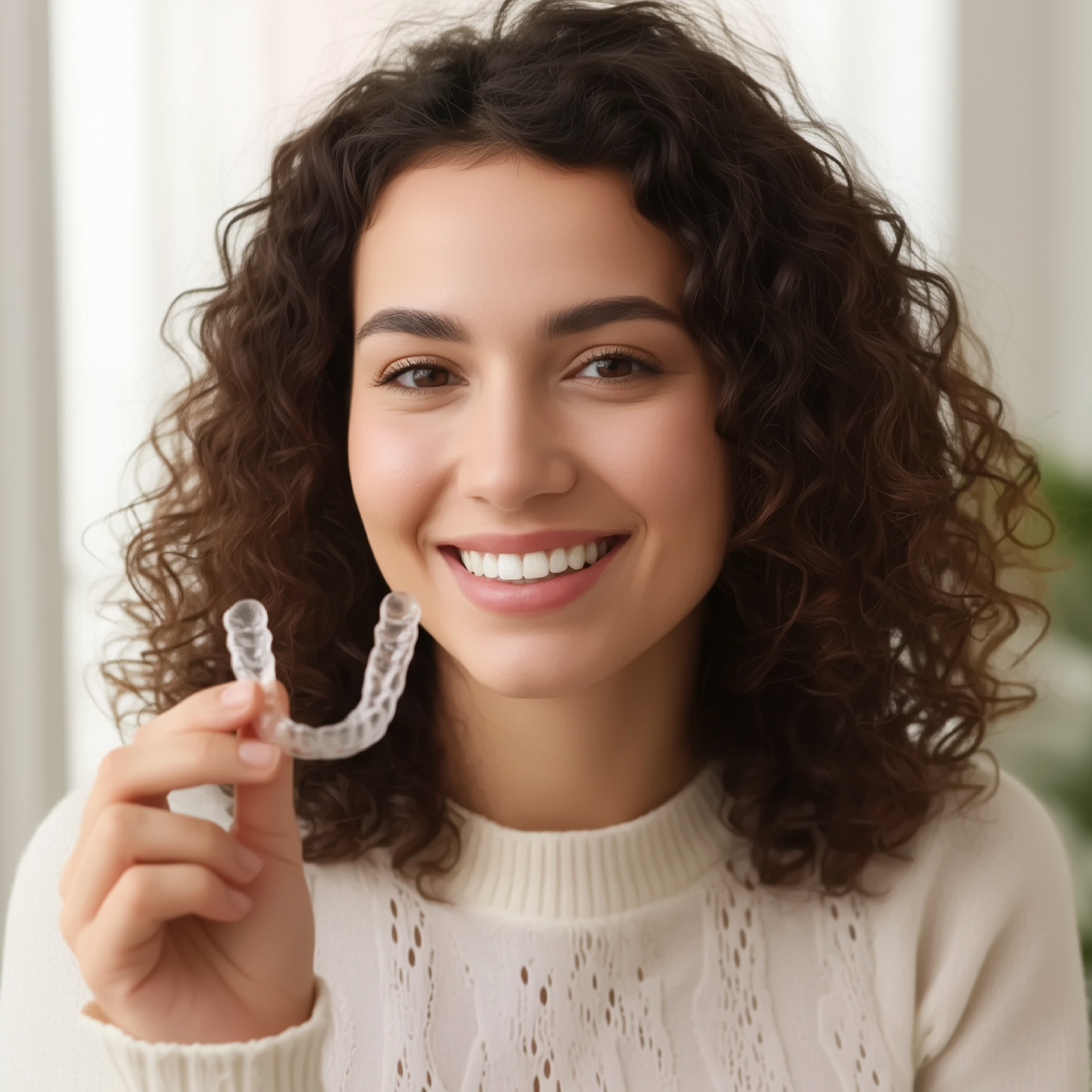
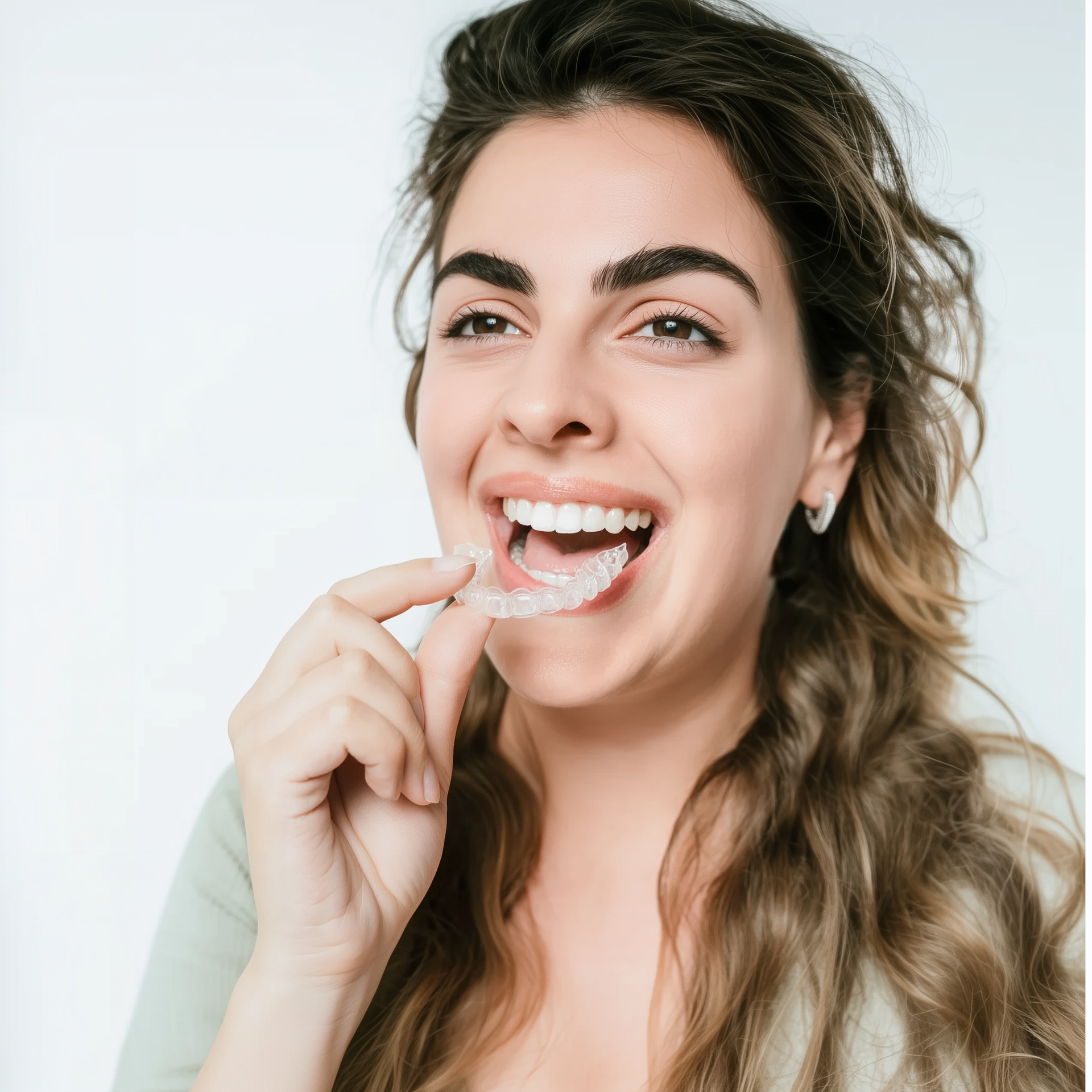
Invisalign for Overbite Correction
Braces and Corrective Braces for Overbites
Appliances That Fix an Overbite
What to Expect at Escott Orthodontics
Pro Tips for a Smooth Overbite Correction Journey
Top Picks: The Biggest Benefits of Correcting an Overbite
Patient Spotlight
Why Choose Escott Orthodontics
Conclusion
Frequently Asked Questions
Introduction
Most people think of an overbite as a cosmetic issue, something you see in photos or notice when you smile. But your bite is about more than appearance. The way your upper and lower teeth fit together can affect how evenly your teeth wear down, how easy it is to keep your smile clean, and even how comfortable your jaw feels over time.
At Escott Orthodontics, Dr. Christopher Escott and Dr. Hunter Davis lead our team, offering braces and Invisalign® at our Lake County, College Park, and Baldwin Park locations. We’re proud to support families with clear, calm, and confidence-building care, and have been named "Best of the Best - Orthodontist" by Lake Sumpter Style Magazine five years in a row.
In this guide, we explain overbites: what they are, how they differ from underbites, signs to watch for, and how correction supports long-term oral health. Next, we address the common question: "Is my overbite normal or should I get it checked?" If you've wondered this, this guide is for you.
You do not need to self-diagnose. Our job is to evaluate your bite, explain what we see, and recommend the best path forward.
Meet the Doctors
At Escott Orthodontics, we are grateful to serve our community with doctors who combine experience, precision, and genuine care. From your first visit, you will notice that Dr. Escott and Dr. Davis do more than recommend a treatment. They take time to understand your concerns, explain what we see in your bite, and help you feel confident about the plan.
Dr. Christopher Escott is known for his thoughtful, detail-driven approach to orthodontics. He focuses on the small things that make a big difference, like how your bite fits, how your teeth wear over time, and what it takes to create a result that looks great and stays stable. Patients appreciate how clearly he explains options and how intentional he is about building a plan that supports both function and long-term oral health.
Dr. Hunter Davis brings a calm, encouraging style that helps patients feel comfortable right away. He is especially skilled at breaking down complex bite issues into simple next steps, so treatment feels manageable and not overwhelming. Dr. Davis is attentive to comfort and progress throughout the process, and he loves helping patients see steady wins along the way, whether they are in braces, Invisalign, or another overbite correction solution.
Together, our doctors create an environment where patients feel heard, supported, and confident from start to finish.
What Is an Overbite
An overbite refers to how much your upper front teeth overlap your lower front teeth when you bite down.
A small amount of overlap is normal. In fact, most people have some degree of overbite. The concern comes when the overlap is excessive or when the bite causes functional problems such as uneven tooth wear, gum irritation, jaw strain, or difficulty biting into foods.
Overbites are often described as:
- Mild
- Moderate
- Deep (sometimes called a "deep bite")
If you have heard the term "deep bite," that typically means the upper front teeth cover too much of the lower front teeth.
Overbite vs Overjet vs Underbite
These terms get mixed up all the time, so let’s make them simple.
Overbite
This is the vertical overlap, which means how much the top teeth cover the bottom teeth when you bite down.
Overjet
This is the horizontal distance. Think "front and back." How far the upper teeth stick out in front of the lower teeth. Many people call this "buck teeth," but clinically, we consider it an overjet.
Underbite
This is when the lower teeth are positioned in front of the upper teeth. In an underbite, the lower jaw or lower teeth are set forward compared to the upper jaw or upper teeth.
It is also possible to have a mix, like an overbite with some overjet. That is why an orthodontic evaluation matters. We are looking at your entire bite, not just one measurement.
What Causes an Overbite
Overbites can occur for several reasons, and often it is a combination of factors.
Common causes include:
- Genetics (jaw shape and tooth size are often inherited)
- Jaw growth patterns (upper jaw and lower jaw do not develop in ideal balance)
- Tooth eruption patterns (how teeth come in and where they settle)
- Crowding (teeth shift into less ideal positions)
- Oral habits (thumb sucking, prolonged pacifier use, nail biting, tongue posture)
- Missing teeth or early tooth loss that changes bite relationships
Overbites aren't always from something you did wrong. Many simply result from jaw and tooth development.
Signs You May Have an Overbite
Some people know right away because they see it. Others do not realize it until a dentist points it out.
Here are common signs:
- Upper front teeth cover most of the lower front teeth
- Lower teeth are hard to see when you smile or talk
- You bite the roof of your mouth or hit your lower gums with upper teeth
- Your front teeth seem to wear down faster than expected
- You have chipping on front teeth
- Your jaw feels tired, tight, or sore after chewing
- You have difficulty biting into foods (like sandwiches or apples)
- Your smile looks "gummy" or your lower teeth disappear when you bite
- You notice crowding and bite issues together
Top tip: Even if you do not have pain, bite imbalance can still cause wear over time. Catching it earlier is often easier.
How an Overbite Can Impact Your Smile and Health
Overbite correction is not only cosmetic. A deep or imbalanced bite can affect your mouth in multiple ways.
1) Tooth wear and chipping
When the bite is deep, the upper and lower teeth can contact in a way that creates uneven pressure. Over time, that can lead to:
- Flattened edges
- Chipped enamel
- Increased sensitivity
- More dental work later in life
2) Gum irritation and trauma
In some cases, lower teeth can contact the gum tissue behind the upper teeth, or upper teeth can bite into lower gum tissue. That can contribute to irritation and recession.
3) Jaw strain and discomfort
An unbalanced bite can increase stress on the jaw muscles and joints. Not every overbite causes jaw pain, but if you are experiencing any of the following symptoms, it is worth evaluating how your bite may be contributing:
- Tightness
- Fatigue when chewing
- Headaches
- Clicking or popping
4) Hygiene challenges
When teeth are crowded and overlapped, it can be harder to floss effectively. Straighter teeth are often easier to clean, which supports long-term gum health.
5) Confidence and smile comfort
We never want patients to feel like they have to hide their smile. Many patients with more noticeable bite issues tell us they avoid:
- Photos
- Video calls
- Smiling with teeth
Overbite correction can be a confidence shift, not just a tooth shift. Orthodontics is about function and confidence working together.
When to Treat an Overbite
One of the most common questions is: "Do I need to fix my overbite now?"
The answer depends on:
- How severe it is
- Whether it is causing wear, trauma, or symptoms
- Your age and growth stage
- Your goals and concerns
For kids
Early evaluation can be helpful because growth can be guided in certain cases. If a child has a significant bite issue, early orthodontic treatment may reduce the risk of bigger problems later.
For teens
This is often a great time to correct an overbite because growth is still happening, and tooth movement can be efficient.
For adults
Adults can absolutely correct overbites. Many adult patients choose Invisalign or braces because they want:
- Healthier bite function
- Less wear on teeth
- A more confident smile
- Long-term stability
Overbite Correction Options
Overbite correction is not a single treatment. It is a plan tailored to your bite.
In general, we correct overbites by:
- Aligning teeth into healthier positions
- Improving how the upper and lower teeth contact
- Supporting balanced jaw function
- Creating a stable bite that holds up long-term
Treatment options may include:
- Braces
- Invisalign or clear aligners
- Elastics (rubber bands)
- Bite turbos or bite ramps
- Expanders or growth-guidance appliances (in certain younger cases)
- Other orthodontic appliances, depending on complexity
The best option depends on your bite, your age, and your goals.
Invisalign for Overbite Correction
Many patients ask if Invisalign can fix an overbite. In many cases, yes, especially when the case is mild to moderate, the patient is consistent, and the movements are suitable for aligners.
Invisalign and clear aligners can be a great option for overbite correction when:
- The case is mild to moderate
- The patient is consistent with wear time
- The bite movements needed are a good match for aligner mechanics
Aligners can be especially appealing for adults and teens who want a discreet option.
Pro tip: Invisalign works best with strong consistency. Most patients do best wearing aligners 20-22 hours per day.
Braces and Corrective Braces for Overbites
Braces are one of the most reliable tools for bite correction because they work 24/7. For many moderate to more complex overbites, braces can provide strong control and predictable movement.
Braces may be recommended when:
- Tooth movement needs are complex
- Bite correction requires strong control
- A fixed option is better for consistency
- We want maximum precision
Corrective braces may also include elastics and bite ramps to guide the bite into a healthier position.
Appliances That Fix an Overbite
Depending on the patient, we may use additional appliances to support bite correction.
Common examples include:
- Elastics to guide jaw relationship and bite closure
- Bite turbos or bite ramps to prevent deep bite contact while teeth move
- Expanders or growth appliances in younger patients when appropriate
These appliances are not meant to be scary. They are tools that help the bite correct efficiently and protect teeth during movement.
What to Expect at Escott Orthodontics
We keep the process clear and supportive.
Step 1: Consultation and bite evaluation
We evaluate:
- Tooth alignment
- Bite relationships
- Overbite, overjet, and other bite factors
- Crowding, spacing, and smile balance
Then we explain what we see in plain language and answer your questions.
Step 2: Your personalized plan
We outline:
- Recommended treatment (Invisalign, braces, or another approach)
- Estimated timeline
- What bite correction steps are included
- What to expect at visits
Step 3: Starting treatment
We walk you through:
- How your appliance works
- How to care for your smile
- Comfort tips for the first week
- What progress usually looks like
Step 4: Progress checks and finishing
We monitor:
- Tracking
- Adjust as needed
- Guide you into retention so your results stay stable
If you are researching options, explore our braces and Invisalign pages on escottortho.com, then schedule a consultation so we can evaluate your bite specifically.
Pro Tips for a Smooth Overbite Correction Journey
Pro tip 1: Focus on consistency, not perfection
The best results come from steady habits, not a perfect day once in a while.
Pro tip 2: Follow elastic instructions closely
If elastics are part of your plan, they matter. Consistency with elastics can be the difference between staying on schedule and extending treatment.
Pro tip 3: Protect your teeth during bite changes
Avoid hard and sticky foods if you are in braces, and follow appliance care recommendations.
Pro tip 4: Communicate early
If something feels off, tell us. Small issues are easier to solve early.
Pro tip 5: Celebrate progress
Overbite correction often improves in visible stages. Take a photo every month. Seeing progress builds motivation.
Social challenge: Try our 7-day Bite Boost Challenge. For one week, commit to your exact routine: wear aligners as prescribed or follow elastic instructions daily, plus brush and floss on schedule. Most patients feel more in control by day seven.
Top Picks: The Biggest Benefits of Correcting an Overbite
Here are the biggest reasons patients choose overbite correction.
- A more balanced bite that supports long-term tooth health
- Less risk of chipping and uneven wear on front teeth
- Improved comfort and function when biting and chewing
- Easier hygiene when alignment improves
- A more confident smile in photos and everyday life
Patient Spotlight
We often meet patients who assume their overbite is "just how their teeth are." Many have lived with it for years, only noticing it when a tooth chips, their bite feels tight, or they start thinking more seriously about their smile.
Then they learn what is possible.
A common experience we see is this: once bite correction begins, patients notice improvements that go beyond straight teeth. Chewing feels more comfortable. They stop worrying about wear. Their smile looks more balanced in photos. Most importantly, they feel confident that their bite is working with them, not against them.
That is why we love orthodontics. It is not just about a straighter smile. It is about building a healthier foundation.
Why Choose Escott Orthodontics
At Escott Orthodontics, we believe orthodontic care should feel bright, clear, and confidence-building. Patients choose our practice because we offer:
- Expert care led by Dr. Christopher Escott and Dr. Hunter Davis
- Braces and Invisalign options for kids, teens, and adults
- Three convenient Orlando-area locations: Lake County, College Park, and Baldwin Park
- Recognition as "Best of the Best - Orthodontist" by Lake Sumpter Style Magazine five years in a row
- A team that explains bite correction simply and supports you between visits
- A long-term focus on stability, function, and results that last
Conclusion
An overbite might seem like a small detail, but bite alignment can shape your long-term oral health and your day-to-day comfort. The good news is that overbite correction is highly achievable with the right plan. Whether Invisalign, braces, or other appliances that fix an overbite are the best fit for you, our team will guide you with clarity and help you feel confident in your next step.
If you are ready to understand your bite, improve your smile, and protect your teeth for the long run, we would love to meet you. Schedule a consultation with Escott Orthodontics at escottortho.com, or call the location that is most convenient for you: 352-383-6166 (Lake County), 407-648-5511 (College Park), or 407-898-6711 (Baldwin Park).
Frequently Asked Questions
What is an overbite?
An overbite is the vertical overlap of the upper front teeth over the lower front teeth when you bite down. Some overlap is normal, but a deep overbite can cause wear or functional concerns.
What is the difference between an overbite and an underbite?
An overbite is when the upper teeth overlap the lower teeth vertically. An underbite is when the lower teeth sit in front of the upper teeth.
Can Invisalign fix an overbite?
In many cases, yes. Invisalign can correct mild to moderate overbites when aligner wear is consistent, and the bite movements are a good fit for aligners.
Do braces work better than aligners for overbite correction?
Sometimes. Braces can be especially helpful for more complex cases because they work 24/7 and can provide strong control for bite changes. We will recommend the option that best fits your bite.
What appliances fix an overbite?
Depending on the case, overbite correction may include elastics, bite turbos, bite ramps, or other orthodontic appliances in addition to braces or aligners.
When should my child be evaluated for an overbite?
Early evaluation can be helpful, especially if you notice bite issues or oral habits. We can tell you if early treatment is needed or if it is best to monitor growth and wait.
Ready For Your Smile to Shine?